"Record-Breaking Heatwaves Continue Across Southern Europe"
Record-Breaking Heatwaves Continue Across Southern Europe
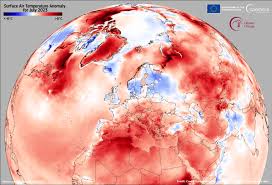
Southern Europe is once again enduring a series of unprecedented heatwaves, as record-breaking temperatures scorch the region and send climate experts scrambling for answers. In recent weeks, many countries across the Mediterranean, including Spain, Italy, Greece, and Portugal, have experienced some of the highest temperatures ever recorded, leading to widespread concerns about the impact of these extreme weather events on both the environment and public health. These ongoing heatwaves have not only shattered historical temperature records but have also highlighted the increasing frequency and severity of heat-related events due to climate change.
The heatwaves, which began in early summer, have pushed temperatures well beyond the 40°C (104°F) mark in many areas, with some regions reaching near 50°C (122°F). These scorching temperatures have been accompanied by stifling humidity, exacerbating the risks for vulnerable populations, including the elderly, children, and those with pre-existing health conditions. Hospitals across Southern Europe have reported a sharp increase in heat-related illnesses, ranging from heatstroke to dehydration, as citizens and tourists alike struggle to cope with the extreme conditions.
One of the most significant aspects of this year’s heatwaves is the prolonged nature of the heat. Unlike previous years when hot spells were typically followed by cooler periods, this year’s heat has persisted for weeks, with little respite. Meteorologists have warned that such prolonged periods of extreme heat are becoming more common, driven by the ongoing trend of global warming. The heatwaves are also causing dangerous wildfires in several countries, particularly in the Mediterranean forests of Spain and Greece, where dry conditions have created the perfect environment for wildfires to spread rapidly. These fires have destroyed large swathes of forest, displaced thousands of people, and posed serious threats to both human and wildlife populations.
The environmental consequences of the heatwaves are stark. Water supplies in many areas are under extreme pressure, with rivers, lakes, and reservoirs drying up due to the combination of high temperatures and low rainfall. Agriculture has also suffered greatly, with crops such as olives, grapes, and wheat, which are integral to the Mediterranean economy, facing severe damage from the heat and drought conditions. In some regions, farmers are reporting losses of up to 50% of their crops, further highlighting the vulnerability of the region's agricultural systems to extreme weather events. This, in turn, has significant implications for the region's economy, food security, and livelihoods.
The heatwaves have also led to significant energy demand, as millions of people turn to air conditioning and cooling systems to cope with the oppressive heat. This surge in energy use has strained power grids, leading to blackouts and power shortages in some areas. As a result, governments have had to implement emergency measures to stabilize the energy supply and prevent further disruptions. However, the increasing reliance on air conditioning and cooling technologies also raises concerns about the environmental impact, as these systems often rely on electricity generated from fossil fuels, contributing further to global warming.
Experts warn that the intensity and frequency of heatwaves in Southern Europe are expected to increase in the coming years due to climate change. Rising global temperatures are intensifying the heat island effect, whereby urban areas experience even higher temperatures than surrounding rural areas, further exacerbating the risks for city dwellers. Additionally, the Mediterranean region is particularly vulnerable to heatwaves because of its unique climate and geography. With the warming of the seas and changing weather patterns, the likelihood of severe heat events during the summer months is becoming more pronounced.
In response to the ongoing heatwaves, many governments in Southern Europe have issued warnings and guidance to protect public health. These measures include opening cooling centers in cities, encouraging people to stay indoors during the hottest parts of the day, and providing heatstroke prevention advice. However, experts argue that these efforts are only temporary solutions to a much larger and growing problem. To effectively address the increasing frequency of heatwaves and other extreme weather events, the international community must take immediate action to mitigate climate change by reducing greenhouse gas emissions, transitioning to renewable energy sources, and investing in climate adaptation strategies.
In conclusion, the record-breaking heatwaves in Southern Europe are a stark reminder of the growing threat of climate change and its impact on the environment, public health, and economies. As these extreme weather events become more frequent and severe, it is essential for governments, businesses, and individuals to take proactive measures to reduce carbon emissions and build resilience against future climate-related disasters. Without decisive action, the region and the world at large will continue to face increasingly intense and damaging heatwaves, with far-reaching consequences for generations to come.